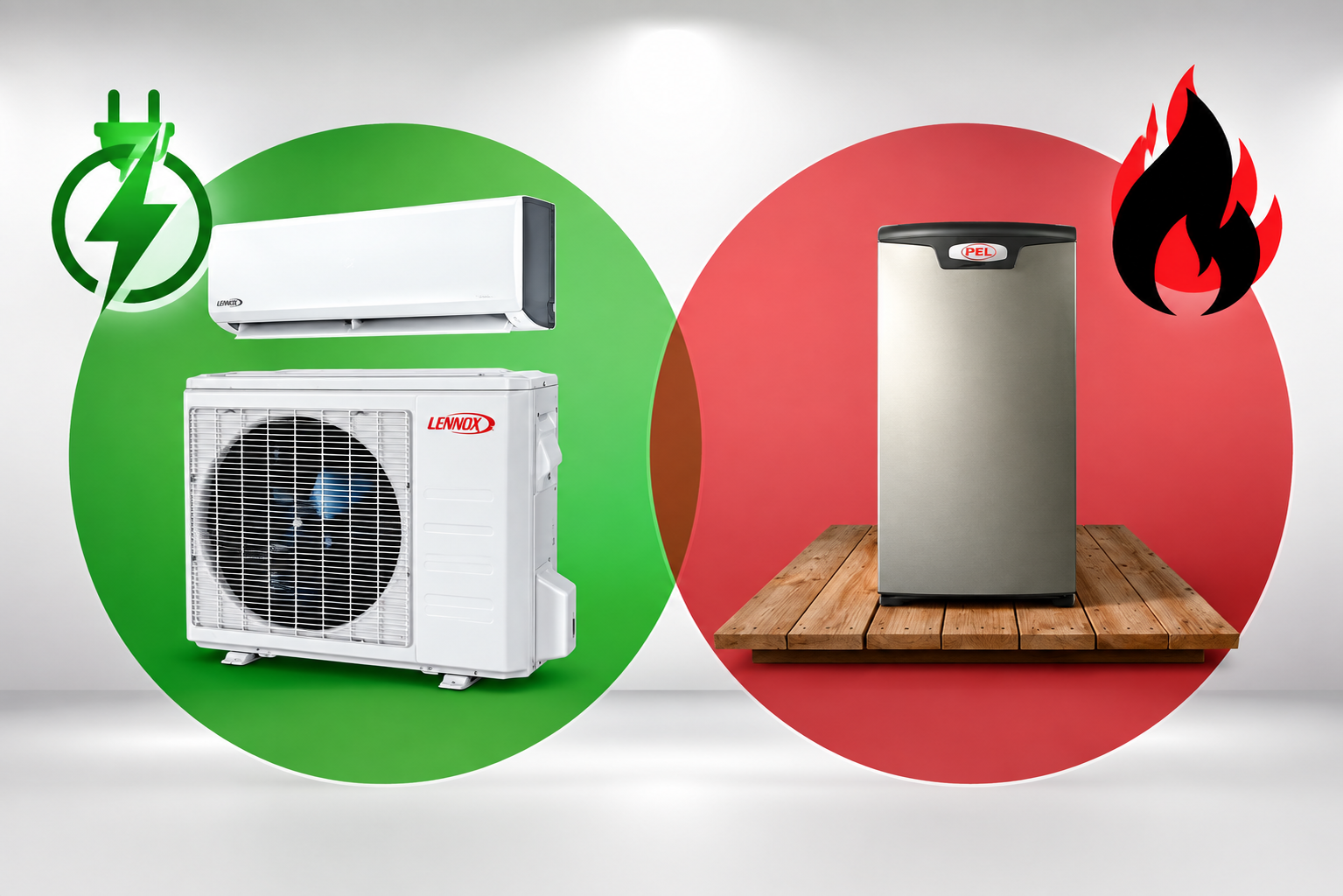
Utah’s climate does not make this an easy call. Cold winter nights that regularly dip below freezing, paired with hot, dry summers, mean whichever system you choose has to work hard in both directions. The heat pump vs furnace decision comes down to how each technology handles that swing, and for a growing number of Utah homeowners, the answer is not necessarily either one alone.
How Each System Actually Works
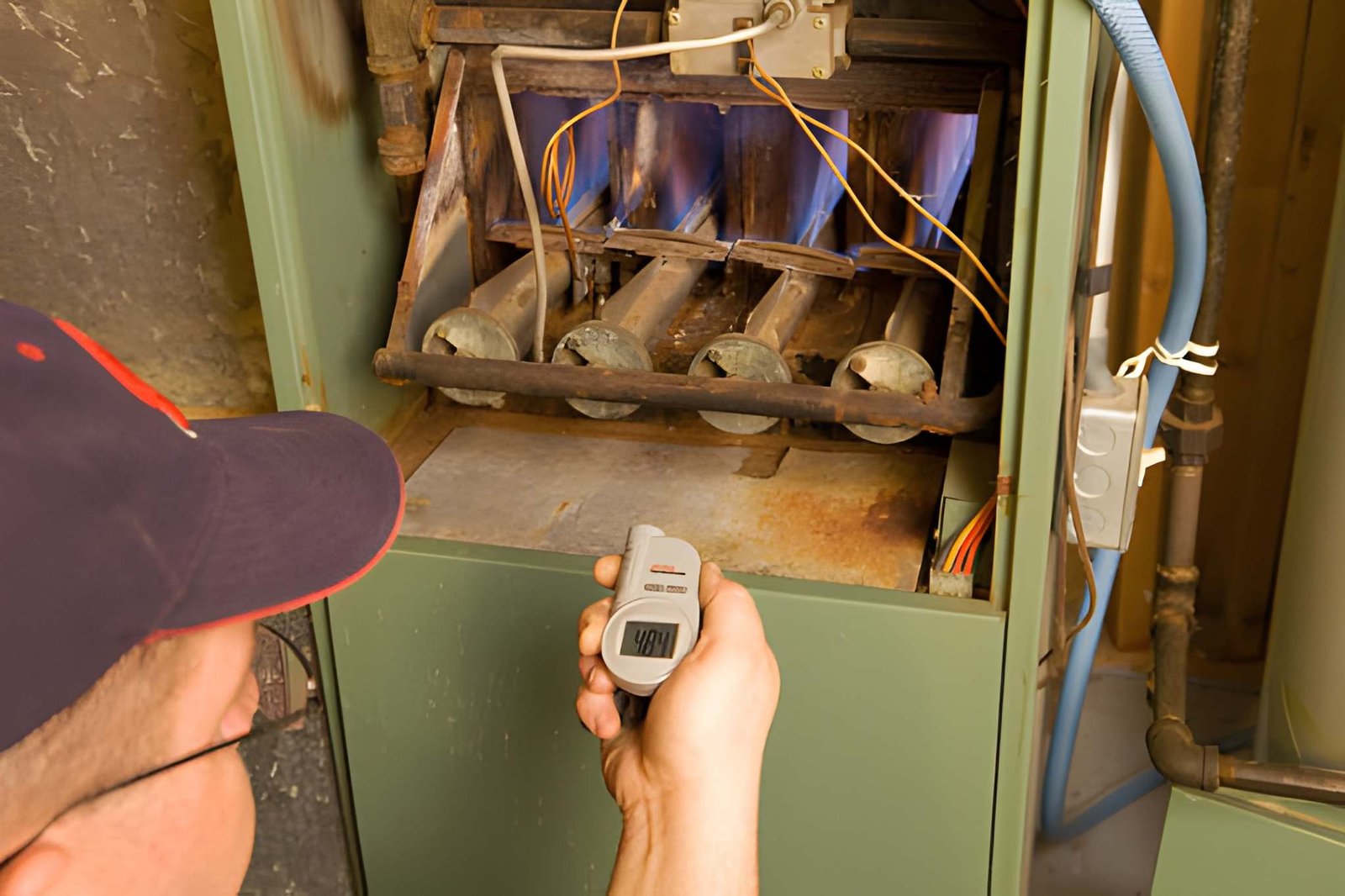
A furnace burns natural gas to generate heat directly, then pushes that heated air through your ductwork. A heat pump works completely differently. Rather than creating heat, it moves it, pulling warmth from outside air and concentrating it indoors during winter, then reversing the process to cool your home in summer. That reversal is the biggest practical difference: a heat pump replaces both your furnace and your air conditioner in a single system, while a furnace only handles heating.
Modern Cold Climate Heat Pumps and Freezing Temperatures
The old knock against heat pumps was that they struggled once outdoor temperatures dropped toward freezing, and older models genuinely did lose efficiency in real cold. Cold climate heat pump technology has changed that considerably. Today’s ENERGY STAR certified heat pumps use variable speed compressors that maintain solid heating output even as temperatures fall well below freezing, which makes them a legitimate option for a Utah winter rather than just a summer cooling system with a heating mode.
Where a Heat Pump Still Falls Short
Even with modern technology, heat pump output does decline as temperatures drop further, and on the coldest nights along the Wasatch Front, a heat pump alone may need to work harder to maintain the same indoor temperature a furnace reaches without effort. This is less about the equipment failing and more about the physics of extracting heat from air that has less heat to give. For homes in areas that regularly see extended stretches below the teens, this is worth factoring into the decision.
Dual Fuel Setups: Getting the Best of Both
This is exactly why dual fuel systems have become popular with Utah homeowners weighing heat pump vs furnace as an either or choice. A dual fuel setup pairs a heat pump with a gas furnace as backup, automatically switching to gas only once outdoor temperatures drop below a set threshold. You get the heat pump’s efficiency and cooling ability for most of the year, with the furnace stepping in only during the coldest stretches when it can heat more effectively than the heat pump alone. Our heat pump services team can walk you through whether a dual fuel configuration makes sense for your specific home and existing ductwork.
Comparing the Two Head to Head
A few factors tend to matter most when Utah homeowners weigh these options:
- Upfront cost: furnaces are typically less expensive to install alone
- Year round use: a heat pump handles both heating and cooling in one system
- Cold weather performance: furnaces produce consistent heat regardless of outdoor temperature
- Operating cost: heat pumps are often cheaper to run for most of the season
- Existing ductwork: both options typically use the same duct system already in place
Ductless Options for Homes Without Ductwork
If your home does not have existing ductwork, such as an addition or a converted space, a full heat pump vs furnace comparison may not even apply in the traditional sense. Our ductless mini-split systems use heat pump technology without requiring any ducts at all, which makes them a practical option for room additions, garage conversions, or older homes where extending ductwork would be costly.
Installation Cost Differences
When homeowners research heat pump vs furnace pricing, the heat pump side of the comparison usually comes with a higher equipment cost upfront, since it includes both an outdoor compressor unit and the components needed to handle cooling as well as heating. A furnace alone is generally the less expensive single purchase. The gap narrows considerably once you factor in that a heat pump replaces the need for a separate air conditioner, so homeowners who would otherwise need to buy both a furnace and an AC unit often find the total cost comparable, or even lower, going with a heat pump instead.
Utah Rebates and Incentives
Utah utility providers have periodically offered rebates for high-efficiency heat pump installations, recognizing that heat pumps use less electricity than baseboard or resistance heating and can reduce peak demand during summer cooling season. Checking current rebate programs before making a heat pump vs furnace decision is worth the extra step, since an available rebate can meaningfully close the upfront cost gap between the two options.
Which Makes Sense for Your Home
There is no single right answer for every Utah home. Homeowners focused on lower operating costs and year round comfort from one system often lean toward a heat pump or dual fuel setup, while those prioritizing the lowest upfront cost or already have a newer furnace may prefer to keep it as is and add efficient cooling separately. Our team at Utah Heating and Cooling can walk through your specific home, ductwork, and budget to help you land on the right choice. See what other Utah homeowners have said about their installations on our Google Business Profile, then reach out for a free consultation.
Frequently Asked Questions
Is a heat pump enough for a Utah winter on its own?
Modern cold climate heat pumps can heat a home well below freezing, though a dual fuel setup with a gas furnace backup is often recommended for the coldest stretches along the Wasatch Front.
Which costs less to run, a heat pump or a furnace?
A heat pump is typically cheaper to operate for most of the heating season since it moves heat rather than generating it, though a furnace may be more cost effective during extreme cold snaps.
Can I add a heat pump to my existing furnace and ductwork?
Yes, this is called a dual fuel system, and it uses your existing ductwork with both a heat pump and furnace working together, switching automatically based on outdoor temperature.
Do heat pumps work for both heating and cooling?
Yes, a heat pump reverses its operation to provide both heating in winter and cooling in summer, which is one of its biggest advantages over a furnace that only heats.
How long does a heat pump last compared to a furnace?
Both systems typically last between twelve and fifteen years with regular maintenance, though a heat pump runs more continuously since it handles cooling duties as well as heating.