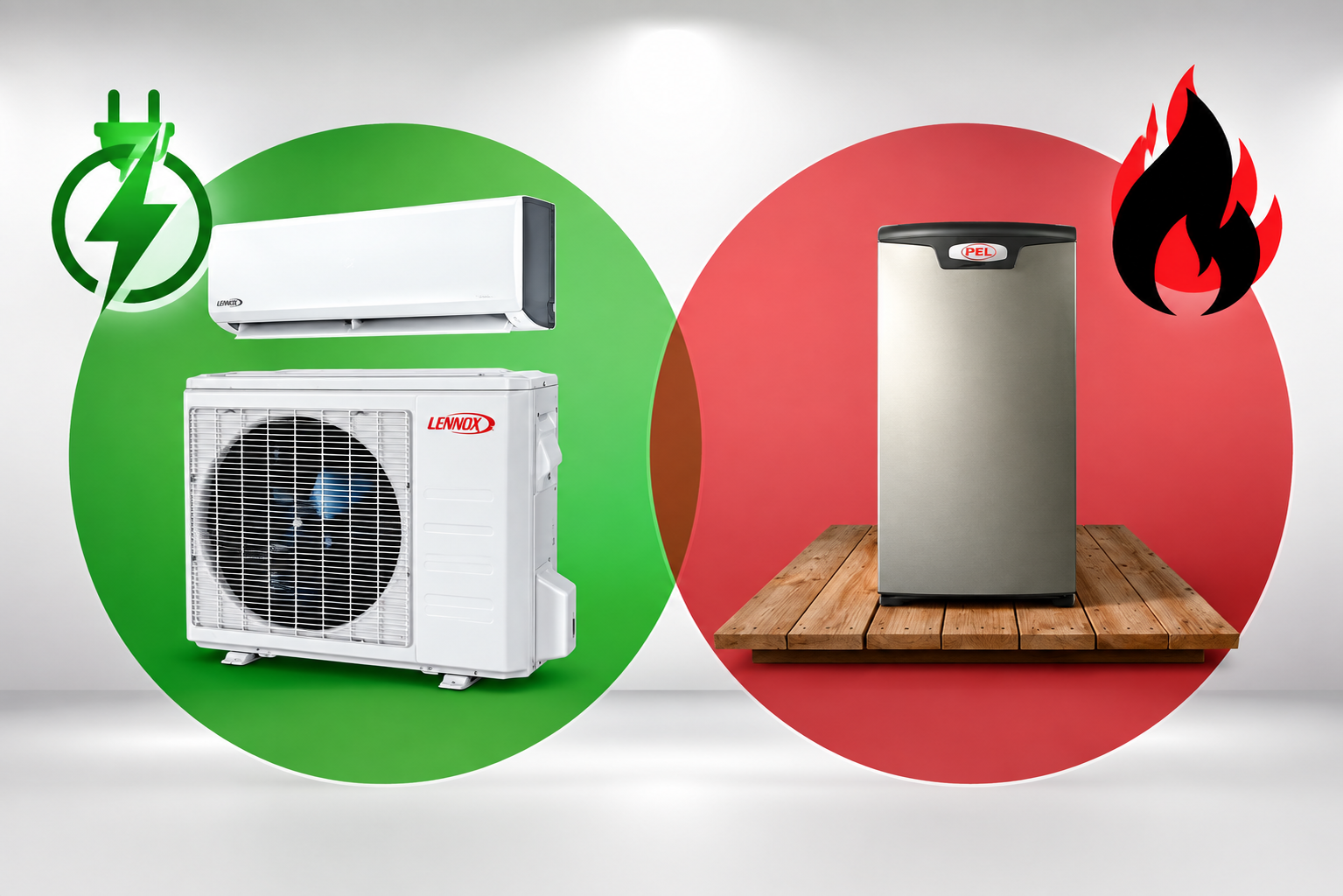
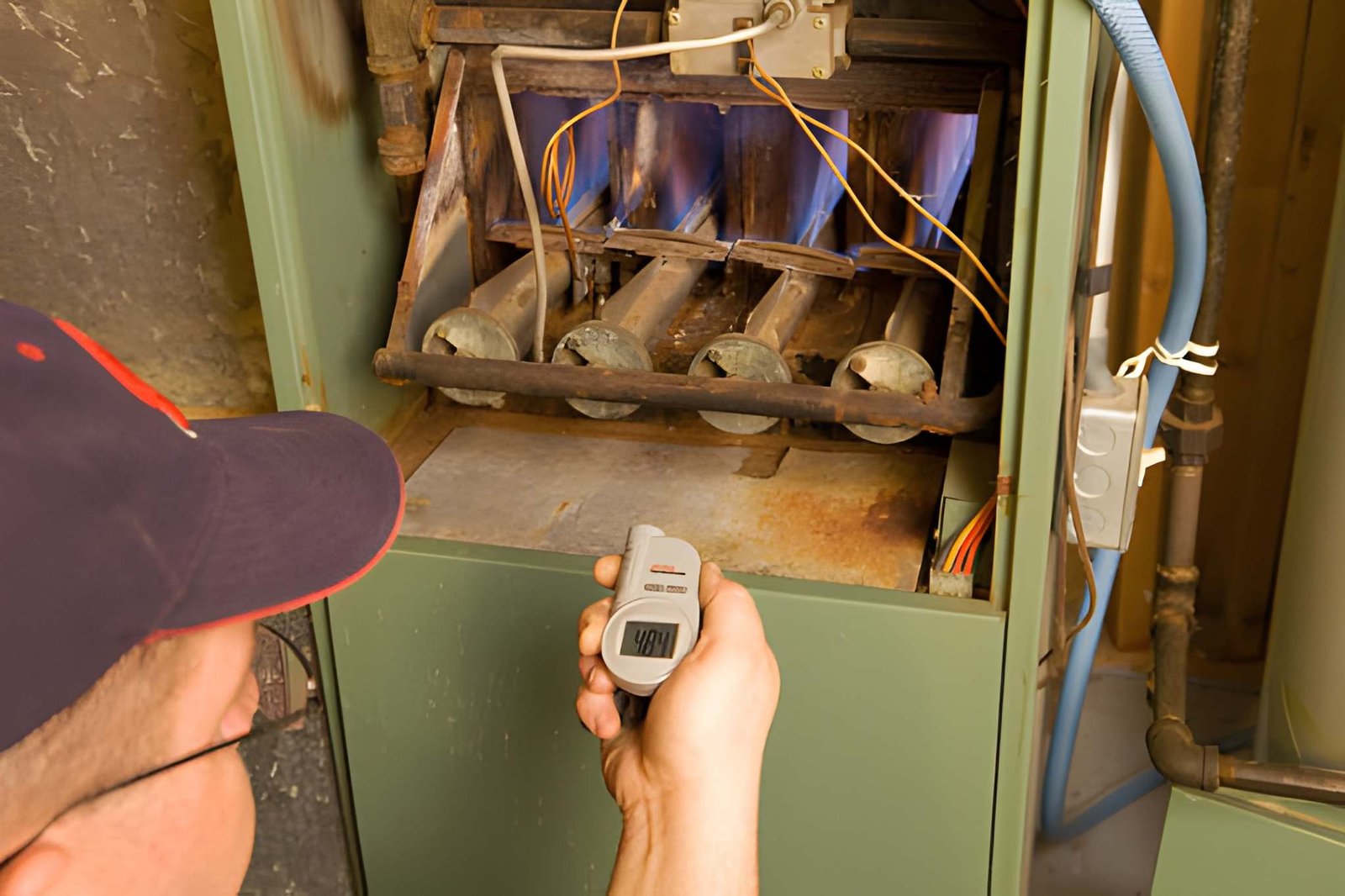
Ask five Utah homeowners what they paid for a new furnace and you will likely get five different answers. That is because furnace replacement cost in Utah depends on more than just the unit itself. Altitude, venting requirements, and the age of your home’s ductwork all play a role, and understanding these factors before you get quotes helps you compare them accurately.
Utah’s Long Heating Season Changes the Math
With cold winters that often stretch from October through April, Utah furnaces work harder and longer each year than furnaces in milder climates. That extended run time is one reason many homeowners along the Wasatch Front eventually look at efficiency ratings as closely as sticker price, since a furnace that runs five or six months a year adds up in energy costs over its lifespan far more than the upfront difference between models.
What Drives Furnace Replacement Cost in Utah
Several factors combine to determine your final price, and most quotes break down into a similar set of variables:
- The size and square footage of the home being heated
- The AFUE efficiency rating of the furnace you choose
- Whether existing ductwork needs modification or repair
- Venting changes required for high-efficiency models
- Permit fees and labor for a same day versus multi day install
Homes in older Sandy and Murray neighborhoods often see costs land toward the higher end of the range, since original ductwork in these homes was rarely sized for a modern high-efficiency system and may need adjustment during installation.
High Altitude Setup Along the Wasatch Front
Furnaces are calibrated for altitude, and most of the Wasatch Front sits high enough that standard factory settings need adjustment. Manufacturers typically require a derate or a specific altitude kit above 2,000 feet, and Salt Lake City’s elevation puts every home in this territory. Skipping this step during furnace replacement can lead to inefficient combustion and higher operating costs, so it is worth confirming your installer accounts for elevation rather than using a generic factory configuration.
95 Percent AFUE Furnaces and Venting Changes
High-efficiency furnaces rated 95 percent AFUE or higher extract so much heat from combustion gases that they vent through PVC pipe rather than a traditional metal flue. This is great for efficiency, but it usually means running new venting to an exterior wall, which adds labor cost that a like-for-like standard efficiency swap would not require. The ENERGY STAR furnace program maintains a list of certified high-efficiency models if you want to compare options before your installer walks you through venting requirements specific to your home.
Older Ductwork in Sandy and Murray Homes
A lot of homes in Sandy and Murray were built decades before current efficiency standards existed, and their ductwork often reflects that. Undersized returns, leaky joints, and ducts that were never sealed properly can all limit how well a new furnace performs, regardless of its rated efficiency. If your ductwork has never been inspected, it is worth having a technician check it during your replacement estimate rather than assuming the new furnace will simply outperform the old one through the same distribution system.
Permits and Code Requirements
Utah requires a mechanical permit for any full furnace replacement, and this typically gets rolled into your installer’s total quote rather than billed separately. Permitted work also means a local inspector signs off on the installation, which matters if you ever sell the home and a buyer’s inspector checks permit history. A licensed contractor will pull this permit as a standard part of the job rather than treating it as optional paperwork.
New Furnace Versus Repair: When Cost Tips the Scale
Not every furnace problem calls for a full replacement, but there is a point where repair costs stop making financial sense. A general rule many Utah technicians use is the fifty percent rule: if a repair estimate comes in above half the cost of a new furnace, and the unit is already past ten to twelve years old, replacement usually saves money over the following few winters. Furnace replacement cost in Utah looks steep upfront next to a single repair bill, but repeated repairs on an aging system often add up to more over two or three years than simply replacing it once.
Comparing Quotes the Right Way
Because furnace replacement cost in Utah varies so much by home, comparing two quotes side by side only works if both contractors are pricing the same scope of work. A lower number that skips a needed altitude adjustment, a required venting change, or a permit fee is not actually a lower price, it is an incomplete one that tends to surface as a change order once work begins. Ask each contractor to itemize equipment, labor, permit, and any ductwork or venting work separately so you are comparing full installations rather than a stripped down base price against a comprehensive one.
Financing Your Furnace Replacement
Given everything that factors into furnace replacement cost in Utah, spreading the expense out is often the more comfortable option. Many local HVAC contractors, including our team, offer 0% financing for qualified customers, and it is worth asking your utility provider about rebates for high-efficiency equipment as well, since both Rocky Mountain Power and Dominion Energy have offered incentives on efficient furnace upgrades in past years.
Get a Furnace Replacement Estimate
The clearest way to understand what your specific home will cost is a written estimate that accounts for altitude, venting, and your existing ductwork condition. Our team at Utah Heating and Cooling serves Salt Lake and Utah County homeowners with straightforward pricing and no surprise add-ons after the work begins. See recent reviews on our Google Business Profile, then reach out for your free estimate.
Frequently Asked Questions
What is the average furnace replacement cost in Utah?
Most full furnace replacements along the Wasatch Front fall between three thousand and eight thousand dollars, depending on the efficiency rating chosen and whether ductwork or venting modifications are needed.
Does altitude really affect furnace installation in Utah?
Yes, most manufacturers require an altitude adjustment or specific kit for installations above 2,000 feet, and nearly all of the Wasatch Front sits well above that threshold.
Why do high-efficiency furnaces cost more to install?
A 95 percent AFUE or higher furnace vents through PVC pipe rather than a standard metal flue, which often requires running new venting to an exterior wall and adds labor cost beyond the unit price itself.
Do I need a permit to replace a furnace in Utah?
Yes, a mechanical permit is required for any full furnace replacement, and a licensed contractor will typically include this in their quote and handle the inspection process.
How long does a furnace replacement take?
Most straightforward replacements are completed in a single day, though homes needing ductwork modifications or new venting for a high-efficiency model may take an additional day.