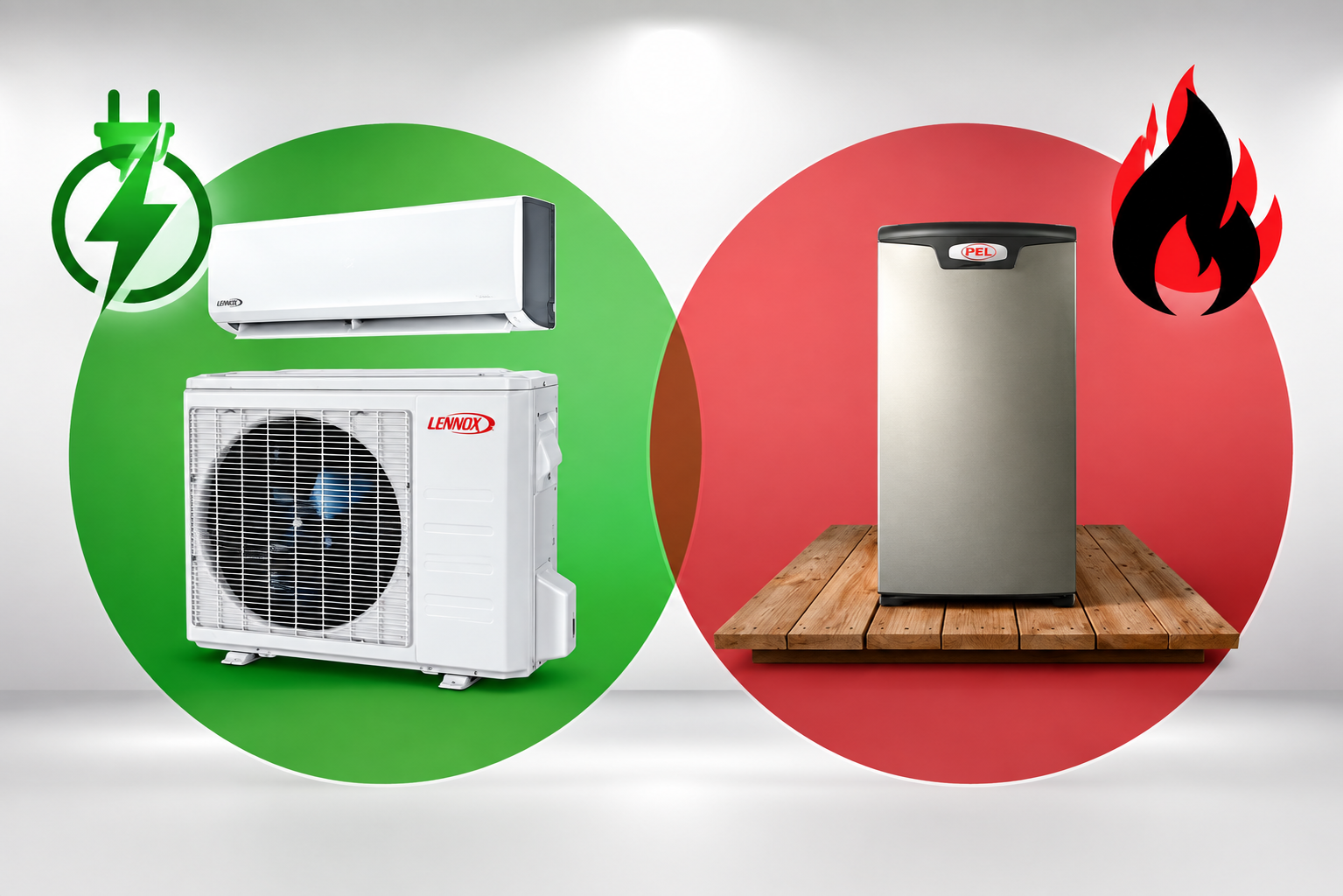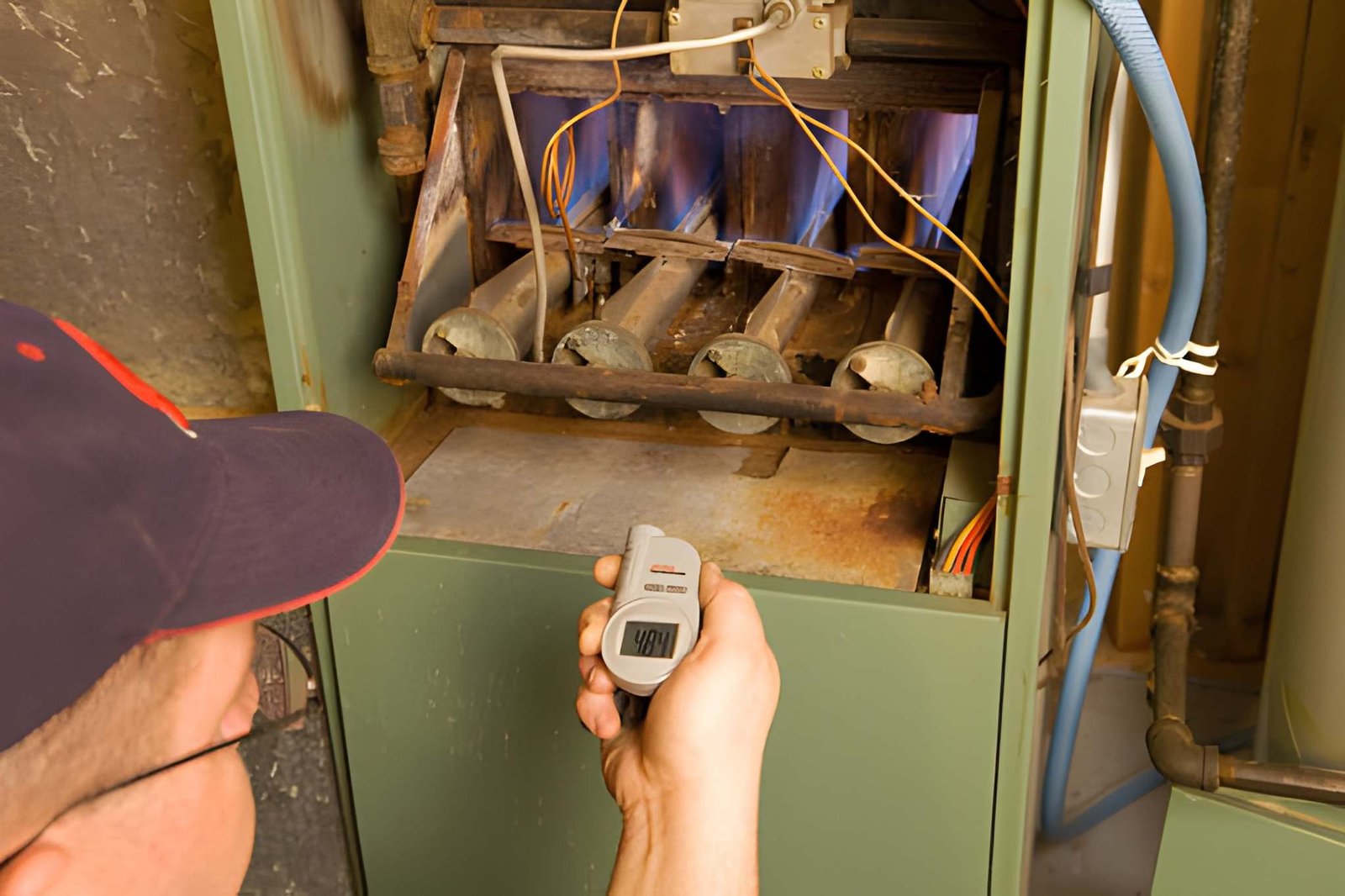

AC maintenance Salt Lake City homeowners schedule every spring is not just a box to check on a home care list. It is one of the most important things you can do to protect your cooling system from two climate conditions that are almost entirely unique to the Wasatch Front. Utah’s punishing dry heat and its well-known winter inversion season place stresses on residential air conditioning equipment that most of the country simply never has to deal with. If you live anywhere from West Jordan to Draper and you have been putting off that annual AC tune-up, this post will show you exactly what that decision is costing you.
Below we break down what Utah’s dry summers and inversion winters actually do to your AC equipment, what warning signs to watch for, and how to protect your system before the heat becomes unbearable.
What Utah’s Dry Heat Does to Your Air Conditioner
Most of the United States contends with humid summers. Humidity adds load to an AC system, but it also means the air carries enough moisture to prevent certain components from drying and cracking prematurely. Utah is the opposite. The Salt Lake Valley sits at roughly 4,300 feet above sea level, receives well below average annual rainfall, and sees summer temperatures that regularly push past 100 degrees Fahrenheit while relative humidity drops below 15 percent.
That combination of extreme heat and near-desert dryness creates very specific problems for residential AC units that many technicians outside of the region simply do not encounter.

Refrigerant Seals and Gaskets Age Prematurely
The rubber components inside your cooling system, including refrigerant line connections, gaskets, and o-ring seals, expand and contract with every temperature cycle. In an environment as dry and hot as the Salt Lake Valley, these components age significantly faster than manufacturer ratings suggest. When they crack or shrink, refrigerant escapes slowly. A slow refrigerant leak forces the compressor to work harder, drives up your monthly energy bill, and accelerates wear on the most expensive component in your entire system.
Condenser Coils Clog With Dust and Fine Debris
Utah’s dry summers generate an enormous amount of airborne dust, particularly in neighborhoods near foothills, open fields, or construction zones. Your outdoor condenser unit draws air across its coils to release the heat pulled from inside your home. When those coils are layered with dust and debris, heat exchange efficiency drops sharply. The system runs longer and longer cycles trying to do the same job, which increases electricity consumption and places serious strain on the compressor over time.
Fan Motors and Capacitors Fail Under Sustained Heat
Your outdoor condenser sits in direct sunlight for most of the day during a Utah summer. Fan motors and run capacitors are rated for specific ambient temperature ranges. When the equipment cavity inside the condenser unit itself bakes beyond those thresholds during extended stretches of triple-digit heat, failure rates climb steeply. This is the primary reason most AC breakdowns in Utah happen in July and August rather than during the comfortable shoulder months.
Scheduling a professional AC maintenance visit before summer begins gives a technician the opportunity to clean the condenser coils, verify refrigerant charge, test capacitor health, and confirm the fan motor is operating within acceptable tolerances. Catching a failing capacitor in April costs far less than an emergency call in August, and it spares you from sweating through a day or more waiting for a peak-season appointment.
How the Winter Inversion Season Damages Your AC Equipment
Most homeowners treat their air conditioner as a summer-only concern. That logic holds in most climates, but Utah is not most climates. The Salt Lake Valley’s infamous temperature inversion season, which typically runs from November through February, creates air quality and atmospheric conditions that affect your HVAC equipment even when it is sitting completely idle.
Understanding What a Temperature Inversion Actually Is
Under normal atmospheric conditions, air temperature drops as altitude increases. This allows warm surface air to rise and carry pollutants upward and away from populated areas. During an inversion, a layer of warm air settles above the valley like a lid, trapping the cold, dense air below. The Wasatch Mountains to the east and the Oquirrh Mountains to the west act as walls, preventing that trapped air from dispersing horizontally. What remains is a thick, stagnant layer of smog, vehicle exhaust, wood smoke, and fine particulate matter that can linger for days or even weeks.
The Utah Division of Air Quality regularly records some of the worst winter air quality readings in the western United States during peak inversion events. This matters for your equipment because that particulate-laden air finds its way into every corner of your home’s exterior envelope, including the clearances around your outdoor condenser unit.
Particulate Buildup Inside Dormant Equipment
While your AC is not running during winter, fine particulate matter settles on internal components throughout the system. The evaporator coil, which sits inside your indoor air handler, is especially vulnerable because it has a large surface area covered in thin metal fins designed to maximize contact with air passing through. When those fins collect a season’s worth of inversion debris, the coil loses its ability to absorb heat efficiently when spring arrives and the system first fires up.
Compounding Contamination Year Over Year
Homeowners who skip a spring AC tune-up are starting each cooling season with last winter’s inversion grime already inside their system. A contaminated evaporator coil cannot pull enough thermal energy from indoor air, so the system works harder and harder to hit your thermostat’s target. Over multiple seasons without cleaning, this buildup reduces airflow enough to cause coil freeze-ups, which forces the system to shut down entirely at the worst possible moments.
If you live in Sandy, Murray, or any of the communities sitting close to the valley floor, your home likely sees heavier particulate concentrations during inversion events than homes located at higher elevations. Annual spring maintenance is not optional for households in these areas. It is the difference between a system that runs reliably through the summer and one that fails in the middle of a heat wave.
Signs Your AC Needs Attention Before Summer Arrives
You do not always need a full breakdown to know something is wrong. Utah’s climate punishes borderline mechanical issues mercilessly once temperatures climb. These are the signs that should prompt a call before the first serious heat wave rather than after.
Your energy bills were noticeably higher last summer without any obvious change in usage habits. Reduced system efficiency is almost always the cause, and the most common culprits are dirty coils, low refrigerant charge, or a struggling compressor.
The system takes significantly longer than it used to for cooling down the house after a warm afternoon. This points to a capacity or efficiency problem, which typically means a refrigerant issue, a coil problem, or early compressor wear.
You are hearing sounds during startup or operation that were not there before. Grinding, squealing, or banging typically indicate mechanical wear. Rattling from the outdoor unit often means debris is caught in the fan blades, which is particularly common after inversion season.
The system short-cycles, turning on and off frequently without completing a full cooling cycle. This can result from refrigerant issues, a dirty air filter restricting airflow, a frozen evaporator coil, or a thermostat problem.
When Repeated Utah Seasons Point Toward Replacement
Maintenance keeps a healthy system running efficiently, but cumulative damage from years of dry heat and inversion-season contamination eventually pushes a unit past the point where continued repairs make financial sense. If your system is more than 12 years old and has been requiring progressively more frequent service calls, the math usually favors replacement over another repair season.
Modern AC units installed today operate at SEER2 efficiency ratings that can meaningfully reduce monthly utility costs compared to equipment manufactured before 2015. A properly sized replacement unit, selected based on a load calculation for your specific home’s square footage, insulation levels, and sun exposure, will outperform an oversized or undersized unit regardless of how new it is. Proper air conditioning installation also includes verifying that refrigerant lines, electrical components, and ductwork are all capable of supporting the new equipment correctly.
Frequently Asked Questions
How does Utah dry heat affect AC systems
Dry heat forces AC systems to run longer during summer months, which increases wear on internal components and reduces efficiency if maintenance is ignored.
Why is inversion season bad for HVAC systems
Inversion season increases airborne pollutants and dust levels. These particles clog filters faster and make HVAC systems work harder to maintain indoor air quality.
How often should AC filters be replaced in Utah
Most homeowners should replace filters every one to three months. Homes affected by heavy dust or inversion conditions may require more frequent changes.
When should I consider replacing my AC unit
If your system is older than 10 to 15 years and requires frequent repairs, replacement may provide better efficiency and lower long term costs.
Can regular maintenance improve AC efficiency
Yes, routine maintenance improves airflow, reduces strain on components, and helps your system cool your home more efficiently throughout the year.